
Search for newanonib and you will find a confusing mix: security-scan pages asking whether the site is “safe,” nostalgic write-ups about old regional message boards, and very little that answers the real question — what is this thing, and what are the risks of going anywhere near it?
NewAnonIB is a successor name linked to AnonIB, a family of anonymous imageboards with a long, damaging history involving intimate images shared without consent. This is not a how-to guide, and you will find no links to any board here. Instead, we explain what these sites are, why they caused so much harm, the risks they carry today, and — most importantly — what to do if your own images are ever posted without your permission.
What Is NewAnonIB?
NewAnonIB is one of the names used by imageboards that appeared after the original AnonIB was shut down. An imageboard is a simple forum built around pictures rather than profiles: usually no accounts, and posts organised into boards or threads, often sorted by town, city or region.
That structure was the whole point. Anonymity was the selling feature, and local boards made the content feel close to home. The problem is what that combination encouraged: alongside ordinary chatter, these boards became known for threads requesting and trading private, intimate photos of real people — frequently posted by ex-partners or acquaintances, and almost always without the consent of the person in the picture.
Because the original site is gone, the name now floats. Different operators have reused it on different domains, which is why no single scan can tell you what “the” site is today.
A Short History of AnonIB and Its Successors
AnonIB dates back to the mid-2000s. Through the 2010s it grew notorious rather than popular: regional boards multiplied, complaints from victims piled up, and journalists documented how the site was used to harass ordinary people, not celebrities.
The turning point came in April 2018, when Dutch police seized AnonIB’s servers during an investigation into non-consensual image sharing. The shutdown proved something important — a board that markets itself on anonymity still runs on servers, logs and payment trails that law enforcement can reach.
It did not end the story. Copycat boards appeared under “new” versions of the name, and old content migrated elsewhere. We covered how one AnonIB-related case played out in our earlier reporting on Amanda Labollita and AnonIBs: a shutdown disrupts a board, but the images behind it do not simply disappear. That is why the safety information below matters more than the history.
Why These Boards Are So Controversial
The controversy is not really about anonymity. Anonymous speech protects whistleblowers and people asking sensitive questions, and digital-rights groups such as the Electronic Frontier Foundation have defended it for decades.
The controversy is about consent. An intimate image shared in confidence belongs to the person in it. Posting it publicly is a violation, whatever the poster calls it — a joke, a trade or revenge. Victims describe the same pattern: the shock of discovery, fear of who else has seen it, and helplessness as copies resurface for years. Local-board threads often added names, schools or workplaces, turning a privacy violation into harassment, stalking or blackmail.
The Risks Are Real — for Everyone Involved
Risks for people whose images are posted
This is the most serious category, and it is never the victim’s fault. Documented impacts include anxiety, depression and sleep problems; damage to relationships, education and careers; and harassment when strangers try to identify or contact the person. Once copied, an image can be reposted across platforms for years — which is why the removal steps below matter.
Risks for posters
Sharing someone’s intimate image without consent is now a criminal offence in many places. All 50 US states have laws against it, and the federal TAKE IT DOWN Act, signed in May 2025, made publishing such images — including AI-generated deepfakes — a federal crime. Penalties range from fines to prison, and “I was anonymous” is a weak shield: server seizures and forensic work have identified posters before.
Risks for curious visitors
- Fake and clone sites. Many sites trading on this name are opportunistic clones built for scams, aggressive ads or malware. One widely cited security scan of a newanonib domain found no confirmed malware, but flagged the main page as “suspicious” and could not identify who operates the site. A clean scan is not a clean bill of health.
- Your anonymity is thinner than you think. Visiting leaves device and network traces, and boards in this ecosystem have been seized and logged before.
- Legal exposure. Saving or forwarding illegal material — above all anything involving a minor — is itself a serious crime. There is no “just looking” defence for that.
How to Protect Yourself Online
These habits remove most of the risk — the same basics we return to when exploring the online world of digital innovation:
- Think before you share intimate images at all. Once an image leaves your phone, you cannot fully control it. If you do share, keep your face, tattoos, location clues and metadata out of it.
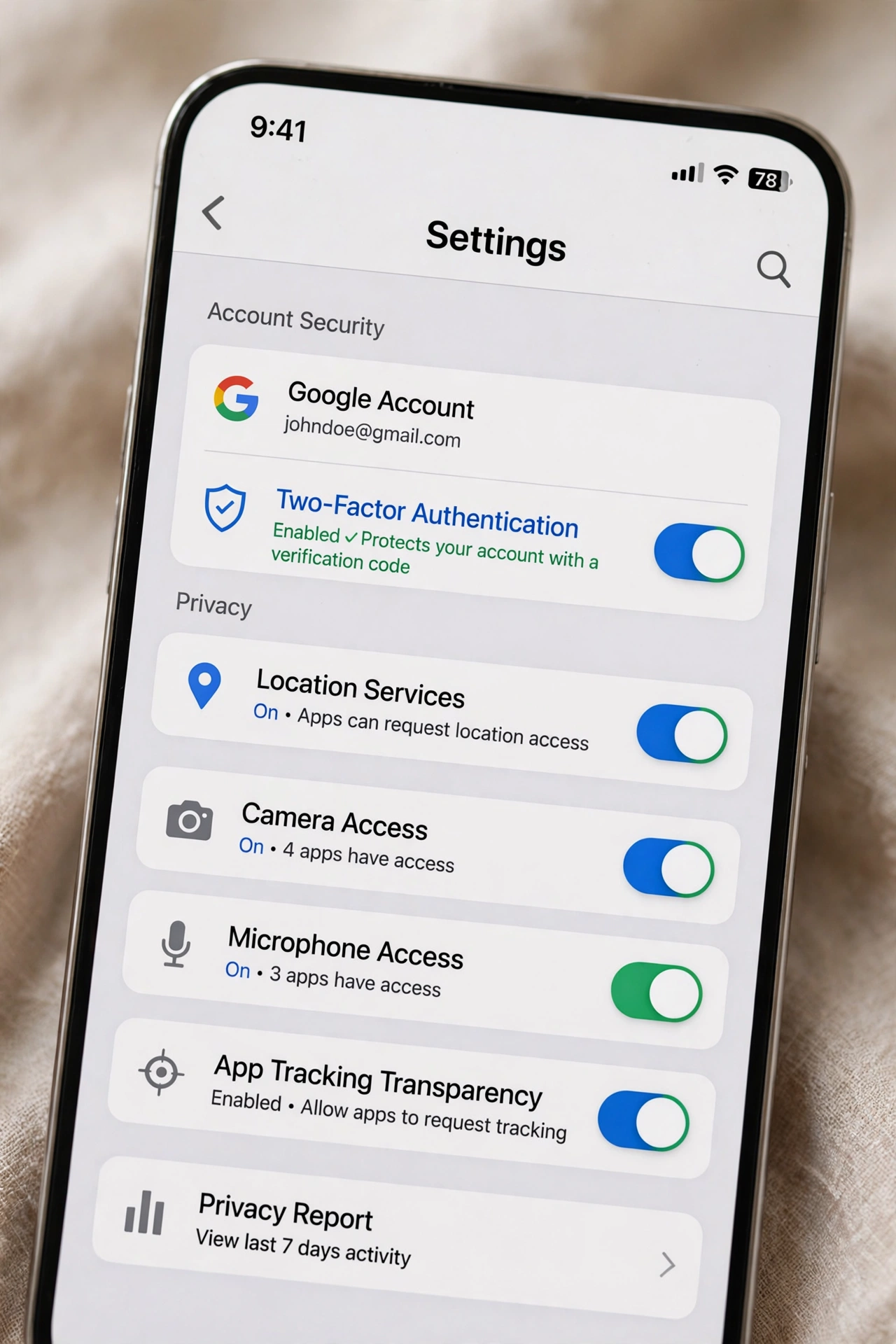
- Lock down your accounts. Unique passwords, two-factor authentication, private profiles. The EFF’s guide to protecting your online privacy is a good place to audit your footprint.
- Search yourself occasionally. A quick name and image search surfaces problems early, when removal is easiest.
- Never pay a blackmailer. Stop contact, keep evidence of the threats, and report it — paying almost never ends the demands.
If Your Images Have Been Posted: A Step-by-Step Plan
Take a breath. This is a crime against you, not a mistake by you.
- Document, then report to the platform. Note the URLs and dates, then request removal. Under the TAKE IT DOWN Act, covered US platforms must offer a removal process and remove reported images within 48 hours. The FTC’s consumer advice on image-based abuse explains what to do if a platform ignores you.
- Create a case with StopNCII.org. StopNCII.org, a free tool run by the UK’s Revenge Porn Helpline, creates a digital fingerprint (“hash”) of your image on your own device — the image never leaves your phone — and participating platforms use it to block resharing.
- Use a regulator where one exists. In Australia, the eSafety Commissioner can help have image-based abuse removed and explains how to report image-based abuse.
- If a minor is involved, act immediately. Use NCMEC’s Take It Down service and contact the police. Content involving anyone under 18 is child sexual abuse material, and a grave offence to hold or share.
- Look after yourself. Tell someone you trust and consider victim-support organisations in your country. Support is part of the remedy, not an afterthought.
Frequently Asked Questions
Is NewAnonIB the same as the original AnonIB?
No. The original AnonIB was seized by Dutch police in 2018. “NewAnonIB” is a reused name attached to successor and copycat boards run by unknown operators — one reason they deserve extra caution.
Is it illegal to share someone’s intimate images without consent?
In most places, yes. All 50 US states criminalise it, the TAKE IT DOWN Act added a US federal offence in 2025, and the UK, Australia, Canada and much of the EU have their own laws.
Is it safe to visit a newanonib site just out of curiosity?
No. Clone sites in this space have carried scams and suspicious code, operators are unidentified, your visit is not as anonymous as the branding suggests, and some material on such boards is illegal to possess.
My photo was posted without my permission. What should I do first?
Start a StopNCII.org case, report the post to the site hosting it, and — in Australia — report it to eSafety. If you are being blackmailed, do not pay; preserve the messages and contact the police.
Can images ever be fully removed from the internet?
Complete erasure is hard to guarantee, because copies can exist. But organised removal works: participating platforms block matching uploads automatically, the Revenge Porn Helpline reports removing over 200,000 images, and regulators can compel removal. Acting early improves the outcome dramatically.
Conclusion
NewAnonIB is best understood not as a website to visit, but as a warning label: the afterlife of a platform built on anonymity without consent, shut down by police in 2018, whose name keeps being revived by copycats with all of the same risks. The safest response is simple — do not post other people’s private images, do not go looking for them, protect your own accounts, and if you are ever targeted, use the removal tools that now exist. Using them early is the single most effective step you can take.
References
- StopNCII.org — Stop Non-Consensual Intimate Image Abuse
- eSafety Commissioner — Image-based abuse
- eSafety Commissioner — Report image-based abuse
- FTC / Military Consumer — Was your intimate image shared online without your consent?
- Electronic Frontier Foundation — EFF’s Top 12 Ways to Protect Your Online Privacy
- PCrisk — Is newanonib.com Safe? Security Scan Report